What Are the Odds of Dying on Your Birthday?
Tomorrow is my birthday.
For me personally, I’m a big birthday girl. I love mine, I love others, and I love celebrating another trip around the sun.
But for a lot of people, birthdays aren’t a whole lot of fun for a myriad of reasons, one of which being that birthdays and getting another year older force people to face their mortality annually and realize death is creeping closer with each page turn of the calendar. Well, what if I told you that there’s something to that fear of death around the anniversary of your birth?
It’s called the birthday effect, “a statistical phenomenon where an individual’s likelihood of death appears to increase on or close to their birthday.” And this isn’t just some urban legend or casual trivia people throw around to sound smarter at parties, multiple countries including Switzerland, Japan, and the United States have done studies that show there is an above average percentage of deaths that occur on or around a person’s birthday.
In the Swiss study which focused on mortality statistics between 1969 -2008 on individuals 1 year old and up, it was discovered that there was a 13.8% increase in potential death on or around an individual’s birthday. That percentage went up to an 18% increase for those 60 and older. Japan’s study held between 1974 -2014 lead researchers to claim that “people were more likely to die on their birthday than any other calendar day” and one of the United States’ studies determined women are more likely to die in the week following their birthday while men tend to die in the lead up to theirs.
But why? Why are birthdays and deathdays seemingly so entwined?
Well, there could be a handful of reasons from alcohol use, traffic accidents, and other party activities, to psychological milestones for the terminally ill, the “birthday blues” that can target those suffering from suicidal ideations, or even just something as simple as a clerical error.
Our birthdays tend to be days we live a little more lively than others. Maybe we participate in physical activities like dancing or harder partying than we’re used to that can lead to cardiovascular issues due to the added stress on our systems. Maybe we drink, maybe we drink too much, maybe we take a bad fall because we’re drunk, or maybe we drive cars after we’ve had too much to drink and then we cause an accident that turns our birthday into our deathday.
For those diagnosed with terminal illnesses, there are theories that some of those individuals look at their birthday as a milestone, “if I can just make it to my next birthday.” When their birthday comes, maybe they’re able to breathe easier knowing they saw one last day to celebrate with their loved ones and find it easier to let go and say goodbye soon after. Birthdays can also cause spikes in depression and anxiety or “the birthday blues” in some people. Seeing the lead up to birthdays as a way to mark what they have or have not accomplished since their last birthday can be a real trigger to those dealing with depression or suicidal thoughts causing them to succumb to their depression if they can’t foresee things getting any better by their next birthday. The Japan study even claimed that 50% more people are likely to die from suicide on their birthday than any other day.
And then there’s just general bad bookkeeping. It’s possible exact birth dates weren’t known so the death date was used just to get the box filled or someone got a little sloppy and put the dates in the wrong spots. Professor David Spiegelhalter, a statistician from Cambridge University, believes that if even .004% death records suffered from this type of error in the Swiss study it would all but explain away the idea of the birthday effect.
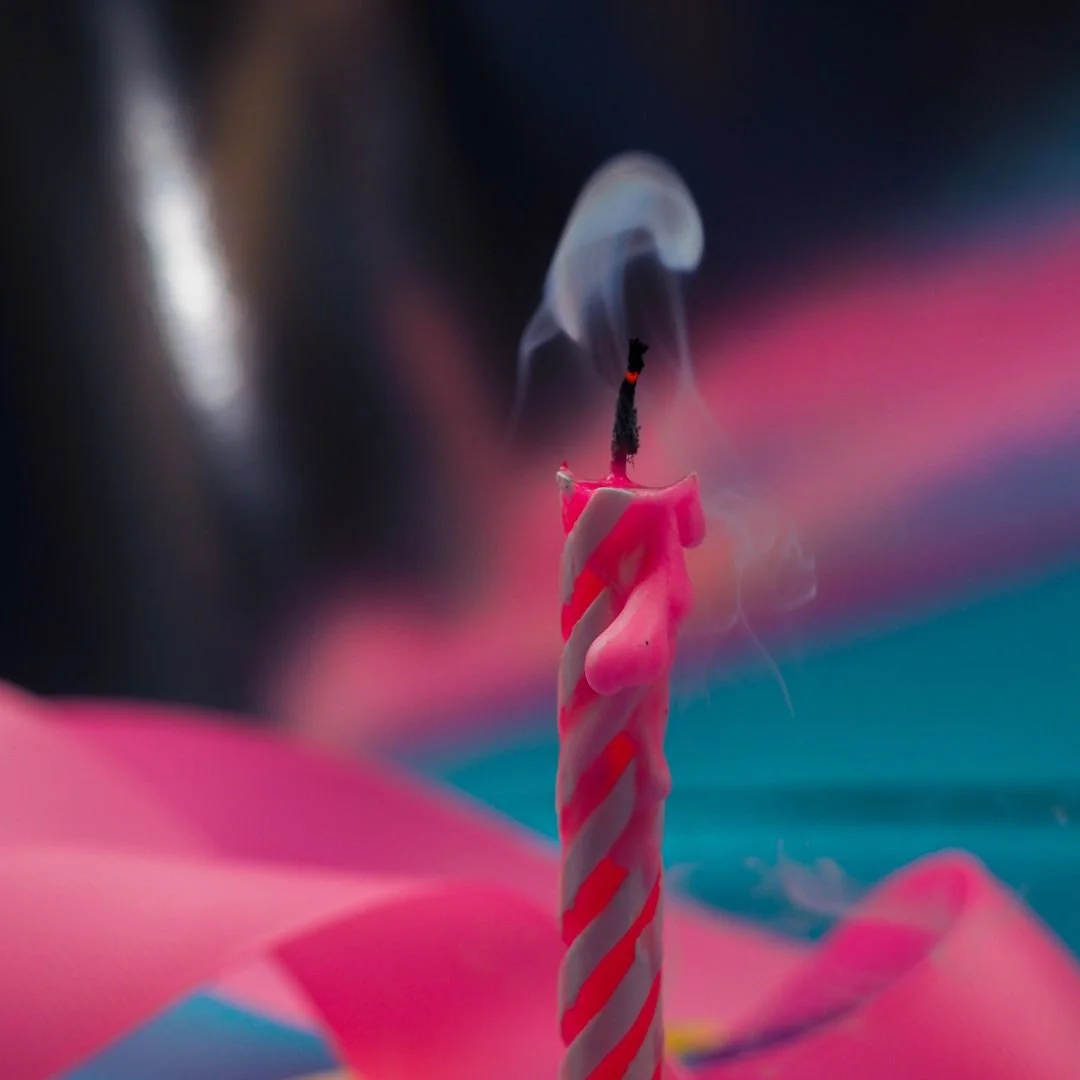
So how much stock should you put into the birthday effect? That’s something for you to decide. While I find it fascinating that so many different researchers from different countries thought this phenomenon was worth taking the time to study, I don’t necessarily think I’m more inclined to die tomorrow than on any other day of the year. I do think there’s something to the reasoning given for WHY more people may die on or around their birthdays with the amping up of depression or more reckless behavior than usual but that’s not enough to make me fear every birthday I have moving forward. And if I eventually do die on my birthday, I guess I can live (die?) with being a statistic.
What’s your take on the birthday effect? Do you think there’s something to the statistics of dying on or around your birthday? Does the birthday effect make you look less forward to your birthday or do you think it’s all just a coincidence? Let me know your thoughts and birthdays in the comments!
Great post! My dad died one day before his birthday. My ex-husband a week after his birthday. My great grandmother just before her 100th birthday. I’ve also noticed that often, when there is a death in the family, a child is born into the family about the same time. There’s also sometimes a numbers coincidence with death in terms of the day of death. Maybe there is some kind of universal algorithm?
It definitely feels that way sometimes. Thanks for reading!